
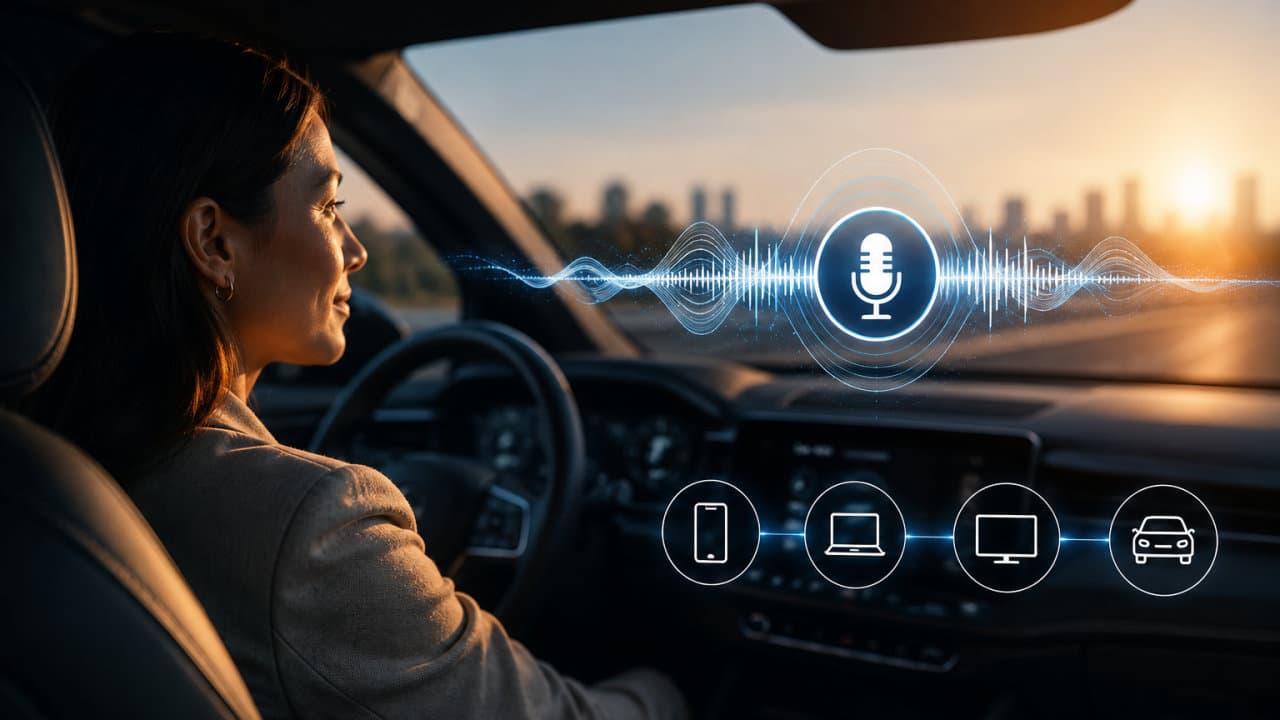
The automotive industry has long since embraced digital marketing.
Many dealers invest heavily in paid search, social media, display advertising, Connected TV, and online video. These channels have transformed how we reach consumers, measure performance, and optimize campaigns.
But there is one channel that continues to be overlooked despite its explosive growth and remarkable ability to capture attention.
Podcasts.
The question isn’t whether podcasts are growing.
The question is whether dealerships can continue to ignore them.
The Podcast Audience Is No Longer Niche
Podcasting has evolved from a niche medium into one of the largest and fastest-growing forms of media consumption.
According to Edison Research’s The Infinite Dial 2025:
- 73% of Americans age 12+ have listened to a podcast.
- 55% listen every month.
- 40% listen every week.
- More than 115 million Americans now consume podcasts weekly.
Podcast consumption has more than doubled over the past decade and continues to reach new audiences every year.
This is no longer an emerging channel.
It is mainstream media.
The Attention Economy Has Changed
Most advertising today competes in environments filled with distractions.
Consumers scroll social feeds while watching television.
They skip ads.
They multitask.
They receive dozens of notifications every hour.
Attention has become the most valuable currency in advertising.
Podcast listening is fundamentally different.
Unlike display advertising or social media, podcast audiences intentionally choose content they want to hear. Episodes often last 30 to 90 minutes, and listeners frequently consume entire episodes during commutes, workouts, travel, or household activities.
Research from Nielsen consistently shows that podcast listeners demonstrate higher levels of ad recall, brand awareness, and purchase intent than many traditional digital channels because the advertising is integrated into an environment built on trust and engagement.
Simply put, podcasts create attention, not interruption.
Audio Builds Demand Before Search Ever Happens
One of the biggest misconceptions in automotive marketing is that search creates demand.
Search captures demand.
The customer has already decided to start shopping.
The real opportunity exists much earlier.
Upper-funnel media influences consideration before someone ever states their intent in the lower funnel.
Podcasts excel at this stage.
A listener may hear your dealership or OEM message multiple times over several weeks while commuting to work.
Months later, when they enter the market for a vehicle, your brand is already familiar.
That’s the power of upper-funnel advertising.
It creates mental availability before purchase intent becomes visible.
By the time a shopper reaches the lower funnel, much of the buying decision has already been influenced.
Podcasts Extend Omnichannel Reach
Many dealership media plans unintentionally target the same consumers repeatedly across the same digital channels.
The result is higher frequency without meaningful increases in reach.
Podcasts solve a different problem.
They expand audience coverage.
Podcast listeners are often consuming media during moments when they are not actively browsing websites, scrolling on social media, or watching television.
Rather than replace digital advertising, podcasts complement it by extending campaign exposure into high-attention environments.
That makes podcasts an ideal omnichannel channel.
Search captures demand.
Social influences consideration.
Connected TV builds awareness.
Video demonstrates products.
Podcasts reinforce your message during uninterrupted moments of engagement.
The channels work together.
Podcast Listeners Are Highly Valuable Consumers
Podcast audiences are particularly attractive to automotive advertisers.
According to Edison Research and Nielsen, podcast listeners are more likely to:
- Have higher household incomes.
- Hold college degrees.
- Be employed full-time.
- Adopt new technology earlier.
- Make purchasing decisions online.
- Respond positively to advertising recommendations from trusted hosts.
These characteristics closely align with many dealership target audiences, particularly for luxury brands, electric vehicles, trucks, and high-margin service offerings.
Trust Drives Results
One of podcasting’s greatest advantages is credibility.
Listeners often develop long-term relationships with hosts.
Recommendations feel more like referrals than advertisements.
According to Nielsen, podcast ads consistently rank among the most trusted forms of advertising because they are delivered within content audiences intentionally seek out.
That trust translates into measurable business outcomes.
Research from Sounds Profitable and Signal Hill Insights found that podcast advertising significantly improves:
- Brand awareness
- Message recall
- Purchase consideration
- Brand favorability
Perhaps most importantly, podcast campaigns continue generating impact well after an episode is released because episodes remain available for months or years.
Unlike most digital impressions, podcast advertising has a remarkably long shelf life.
Why Dealers Should Care
Today’s automotive customer doesn’t consume media in one place.
They move seamlessly between search, streaming video, social platforms, websites, email, Connected TV, mobile apps, and audio.
Your advertising strategy should reflect that reality.
Omnichannel marketing isn’t about using every available platform.
It’s about reaching consumers wherever they choose to pay attention.
Podcasting fills an important gap that many dealership media plans overlook by delivering reach, attentive audiences and reinforcing the brand message before consumers even enter the market.
And it strengthens the effectiveness of every other channel in your media mix.
The Competitive Advantage
The dealerships that will outperform over the next decade understand that upper-funnel investment creates lower-funnel efficiency.
Most importantly, they’ll stop evaluating channels in isolation.
The question is no longer whether podcasts “work.”
The question is whether your competitors are building brand preference while your advertising waits for someone to search.
Because in today’s fragmented media landscape, attention is becoming harder to earn.
Podcasting remains one of the few places where consumers are still willing to give it.