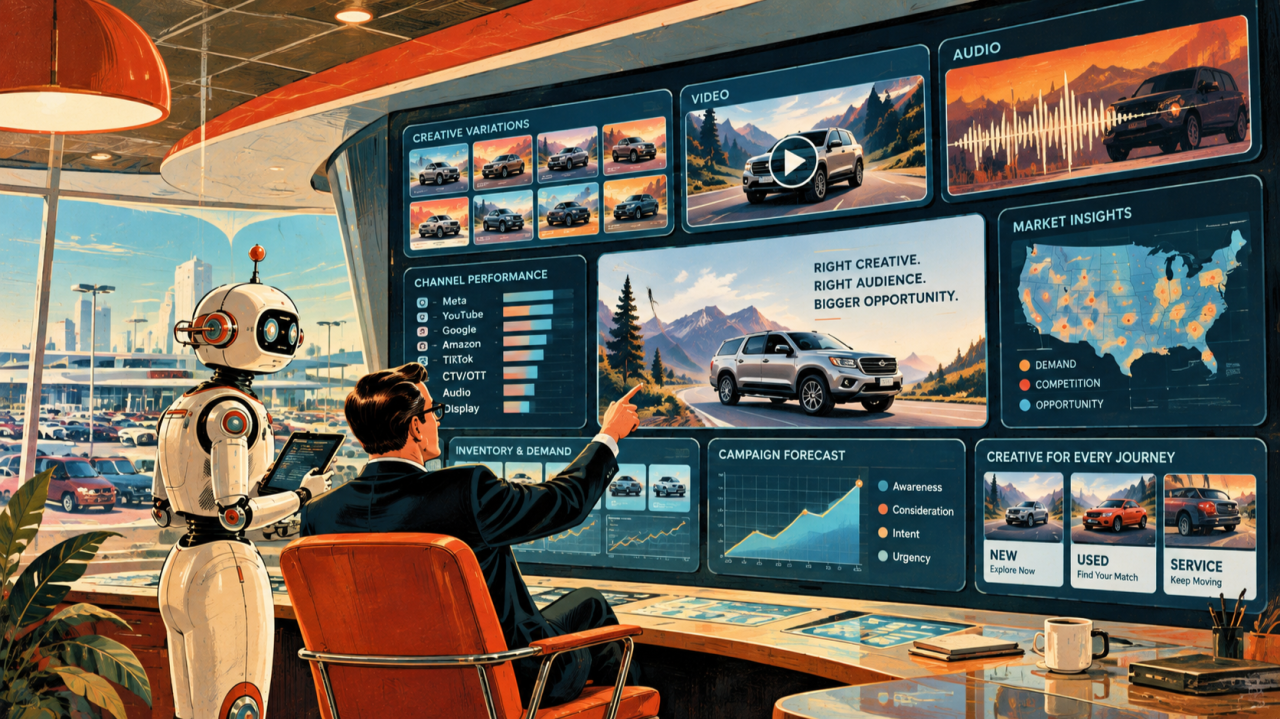
Dealerships spend a tremendous amount of time trying to improve advertising performance. Budgets are adjusted, audiences are refined, bids are optimized, creative is tested and new channels are added.
But there is another part of the advertising equation that often receives far less attention: what happens after the shopper clicks.
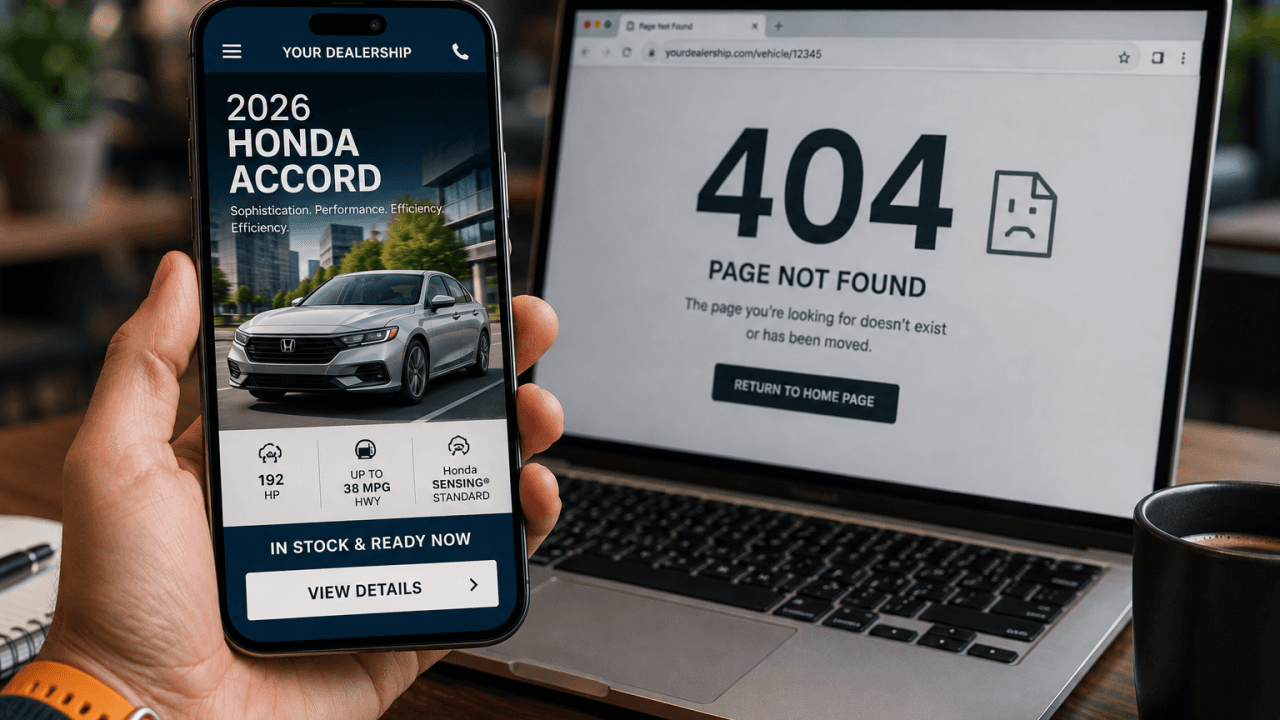
A campaign can reach the right shopper, with the right vehicle and the right message, at exactly the right time, and still fail because the destination doesn’t deliver on the promise of the ad.
Broken vehicle detail pages, empty search results, incorrect inventory, slow load times, mismatched pricing or generic landing pages that force shoppers to start their search over can quietly undermine an otherwise strong advertising strategy.
And while these are often treated as website problems, their impact shows up directly in marketing performance.
The Click Is Only the Beginning
The purpose of digital advertising isn’t simply to generate a click. It’s to move a consumer forward.
If a shopper sees a specific vehicle, price or offer and becomes interested enough to click, there is an expectation about what comes next. They expect the website experience to pick up where the advertisement left off.
Consider a shopper who sees an ad for a specific pre-owned SUV. The vehicle, price and mileage get their attention, so they click to learn more. Instead of reaching that vehicle, they hit a broken VDP, discover the vehicle is no longer available or get dumped onto a generic inventory page where they have to start searching all over again.
The dealership did the hard part. It created interest and earned the shopper’s attention. Then, at the exact moment the shopper demonstrated intent, it introduced friction.
That’s a very expensive place for the customer experience to break.
Broken VDPs Waste More Than a Click
It’s easy to look at a broken VDP as a technical issue that needs to be added to someone’s website task list. But every shopper reaching that page came from somewhere, and when that traffic is paid, every one of those visits has a cost attached to it.
Search, social, display, video and inventory advertising can all do exactly what they were designed to do and still appear to underperform if the experience after the click falls apart.
That creates another problem. Poor engagement and abandonment can eventually get blamed on the media strategy. The audience gets changed. The creative gets changed. Budgets move. Campaigns get rebuilt.
Meanwhile, the actual problem may be sitting on the dealership’s website.
Before assuming the advertising isn’t working, it’s worth asking whether the shopper actually had a reasonable opportunity to convert.
Empty SRPs Create the Same Disconnect
Search results pages can create a similar problem, particularly as dealership advertising becomes more specific.
This happens all the time…
If an ad promotes pre-owned trucks under $35,000, the shopper who clicks should arrive somewhere that reflects that message. If the resulting page has very little inventory, contains vehicles outside the advertised criteria or forces the shopper to rebuild the search, the continuity is gone.
The ad gave the consumer a reason to take the next step. The landing experience immediately weakened that reason.
This matters even more as targeting and creative improve. Dealers can now build campaigns around specific models, inventory segments, price points, geographies and stages of the buying journey. The advertising experience is becoming increasingly relevant to the individual shopper.
The destination needs to be just as relevant.
In fact, the better the advertising gets, the more obvious a bad landing experience becomes.
Friction Adds Up Quickly
Consumers don’t care which advertising platform served the ad, which inventory feed powered it or which website provider built the VDP. They only know whether the experience works.
If they click a vehicle, they expect to see that vehicle. If they click an offer, they expect to find that offer. If the ad promises a certain type of inventory, they expect the next page to show it. Period.
Every unnecessary click, redirect, reload or new search adds another opportunity for the shopper to leave.
That’s why landing-page quality should be viewed as part of the advertising experience itself. A dealership can spend heavily to create awareness, generate demand and move a consumer down the funnel, only to introduce unnecessary friction at the moment that consumer finally raises their hand.
If you’re actually reading this and didn’t just skim the headline, send me a direct message on LinkedIn. I’ll buy your coffee.
The Entire Journey Needs to Be Monitored
This becomes more important as automotive advertising becomes increasingly automated.
Today’s platforms can identify audiences, optimize bids, dynamically advertise inventory, personalize creative and shift investment based on performance. Dealers can run thousands of combinations of vehicles, messages, audiences and landing pages across multiple channels and every profit center.
That scale creates tremendous opportunity, but it also means problems can scale quickly.
A broken inventory feed, bad URL structure or website issue may not affect one campaign. It can quietly impact hundreds or thousands of consumer interactions before someone catches it.
So marketers need to look beyond the traditional campaign dashboard. Are new and used vehicles resolving to live VDPs? Are SRPs populated with the inventory the ad promised? Does pricing remain consistent from the advertisement to the website? Does a service offer lead directly to that offer and an easy way to schedule? Does a parts or accessories ad take the customer to what was actually advertised? Are those experiences working properly on mobile?
Most importantly, whether you’re advertising new, used, service or parts, can the customer easily get to what you told them was there?
Don’t Buy More Traffic for a Broken Experience
When marketing performance falls short, the natural reaction is often to work on the advertising. Spend more. Change the audience. Adjust the targeting. Add another channel. Build better creative.
Sometimes that’s exactly the right answer.
But before investing more money to send more shoppers to a dealership website, make sure the traffic you’re already paying for has somewhere effective to go.
We can talk all day about the coolest creative, the latest AI, proprietary technology, better targeting, more channels and whatever the next big thing in automotive advertising is supposed to be.
None of it matters if the customer clicks the ad and can’t get to what you advertised.
You can’t AI your way around a broken customer experience.
The basics still have to work.